


Carminati Serramenti Srl
Via Petos, 5 - 24010 Ponteranica BG
Phone +39 035 4128272
Mail: info@carminati1894.com
Via Petos, 5 - 24010 Ponteranica BG
Phone +39 035 4128272
Mail: info@carminati1894.com
Private
Luxembourg City
Lussemburgo
Giuseppe Giannini
Carminati Interiors
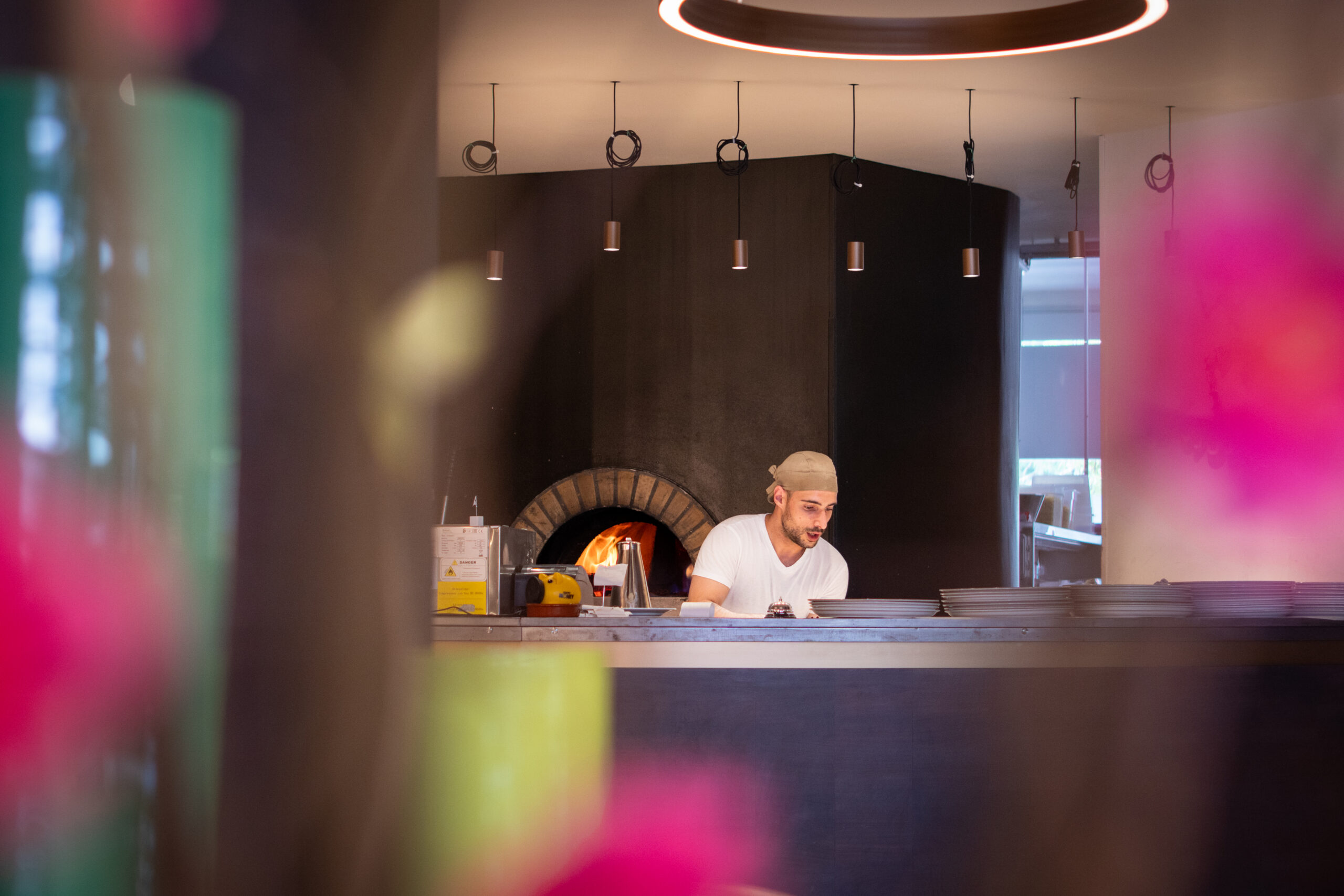
The Farinella restaurant is located in the European quarter of Luxembourg City, one of the three European capitals together with Strasbourg and Brussels. Its creation as a food and beverage brand stems from the idea of the Colapietro and Valentini families, who, together with four other restaurants in the same city, have grown their business for more than forty years.
For the Colapietro-Valentini family, Farinella has always been a flagship project, so much so that its members wanted to begin a new chapter through a renewed interior concept. The project’s conceptual foundation was based on the desire to continue the food and wine tradition of Puglia.
From this ambitious programme, and from the practical shared need not to close the restaurant for renovation work, came the idea of architect Giuseppe Giannini, an Italian designer from Puglia. He worked with the teams by dividing the intervention into two separate construction phases, alternating restaurant service with site work. This led to the idea of creating two different entities: two restaurants in one, with a transition space at the centre.
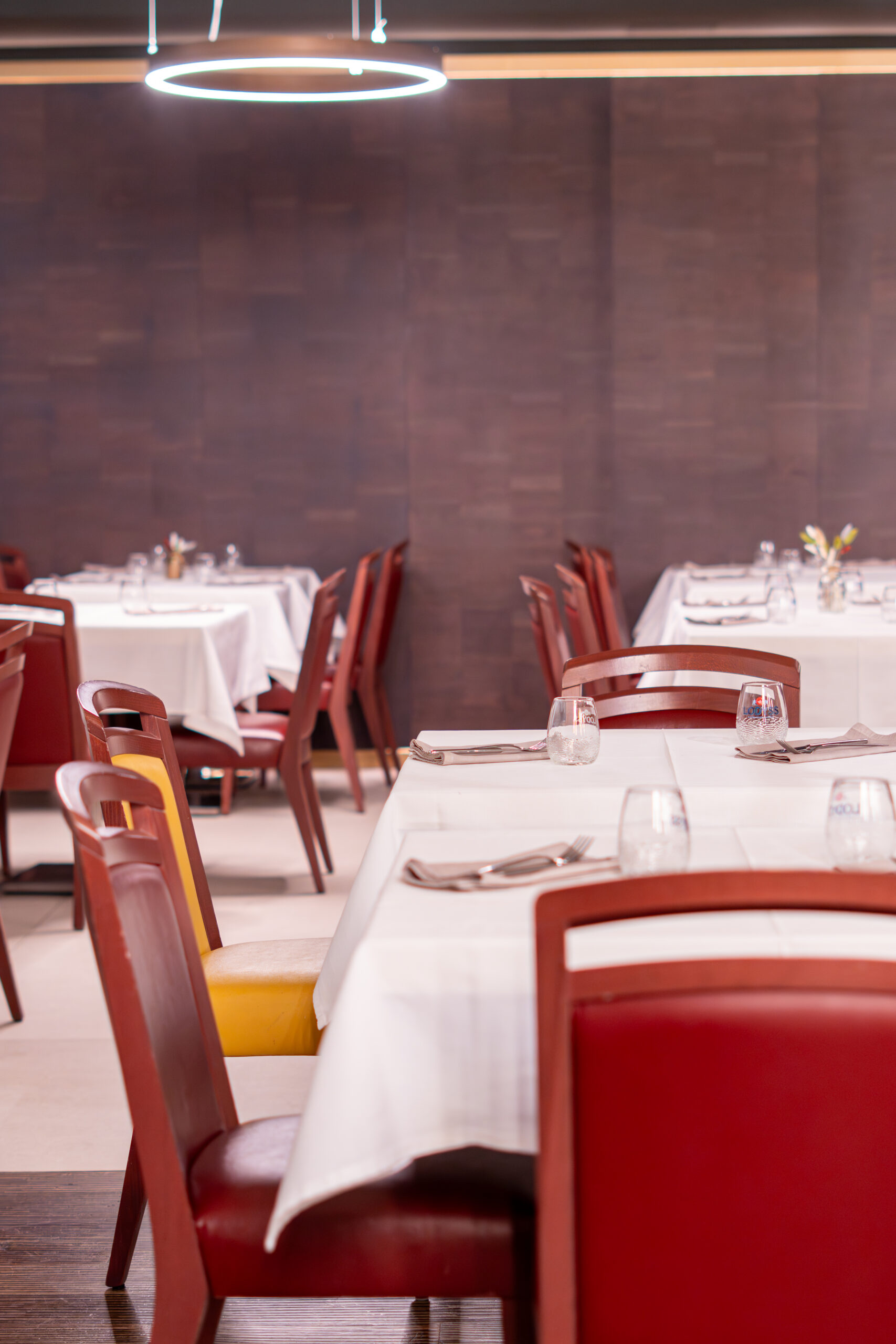
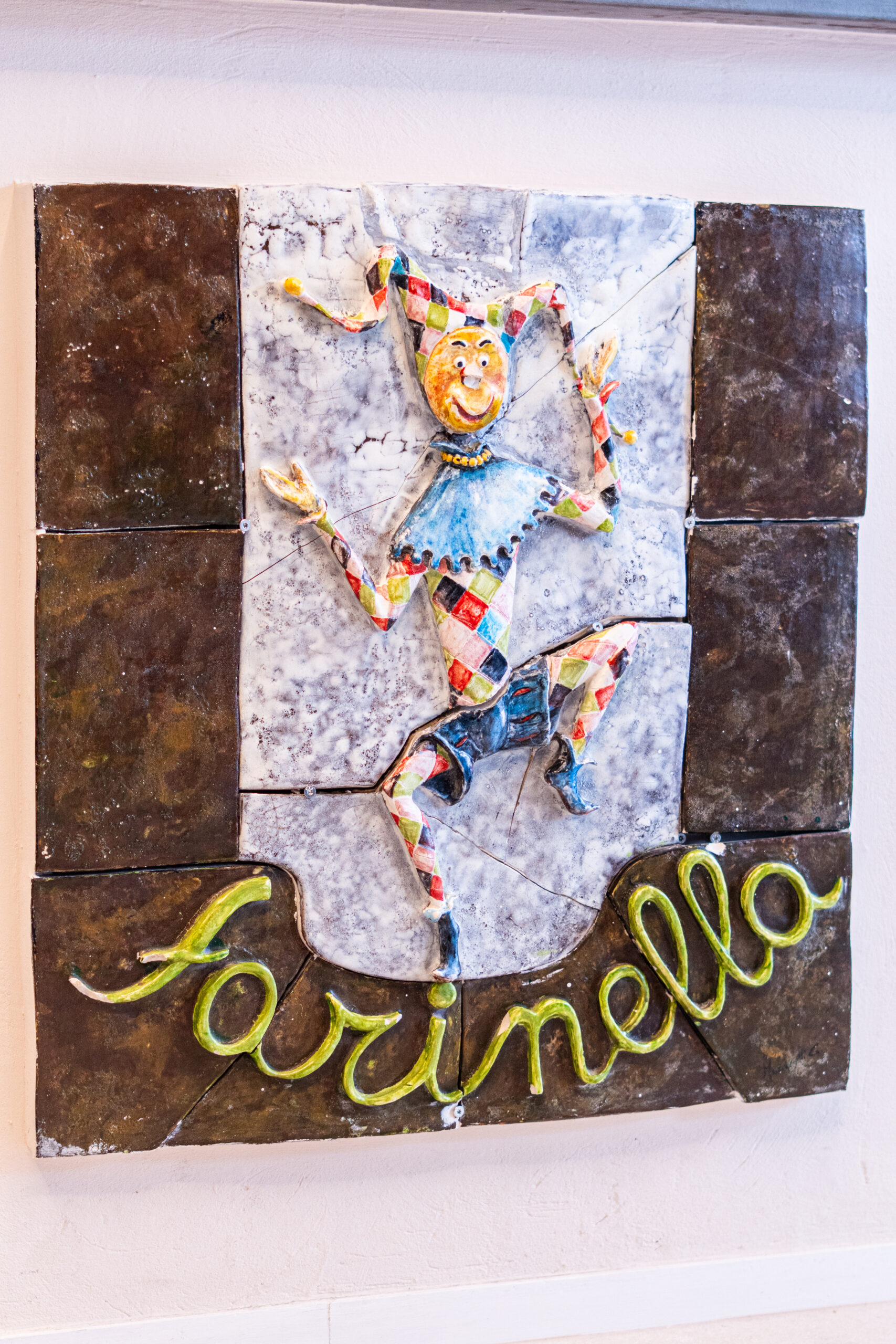
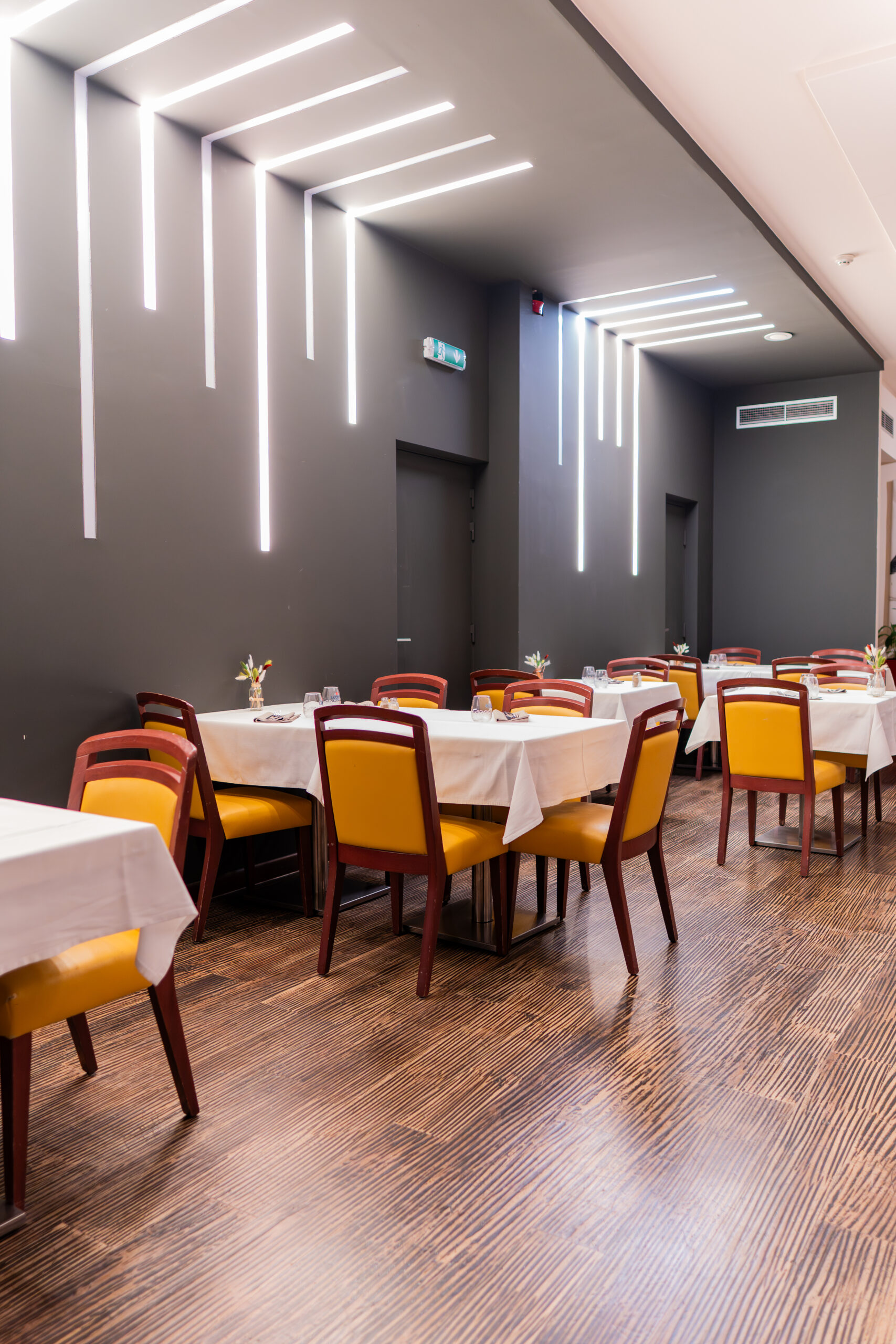
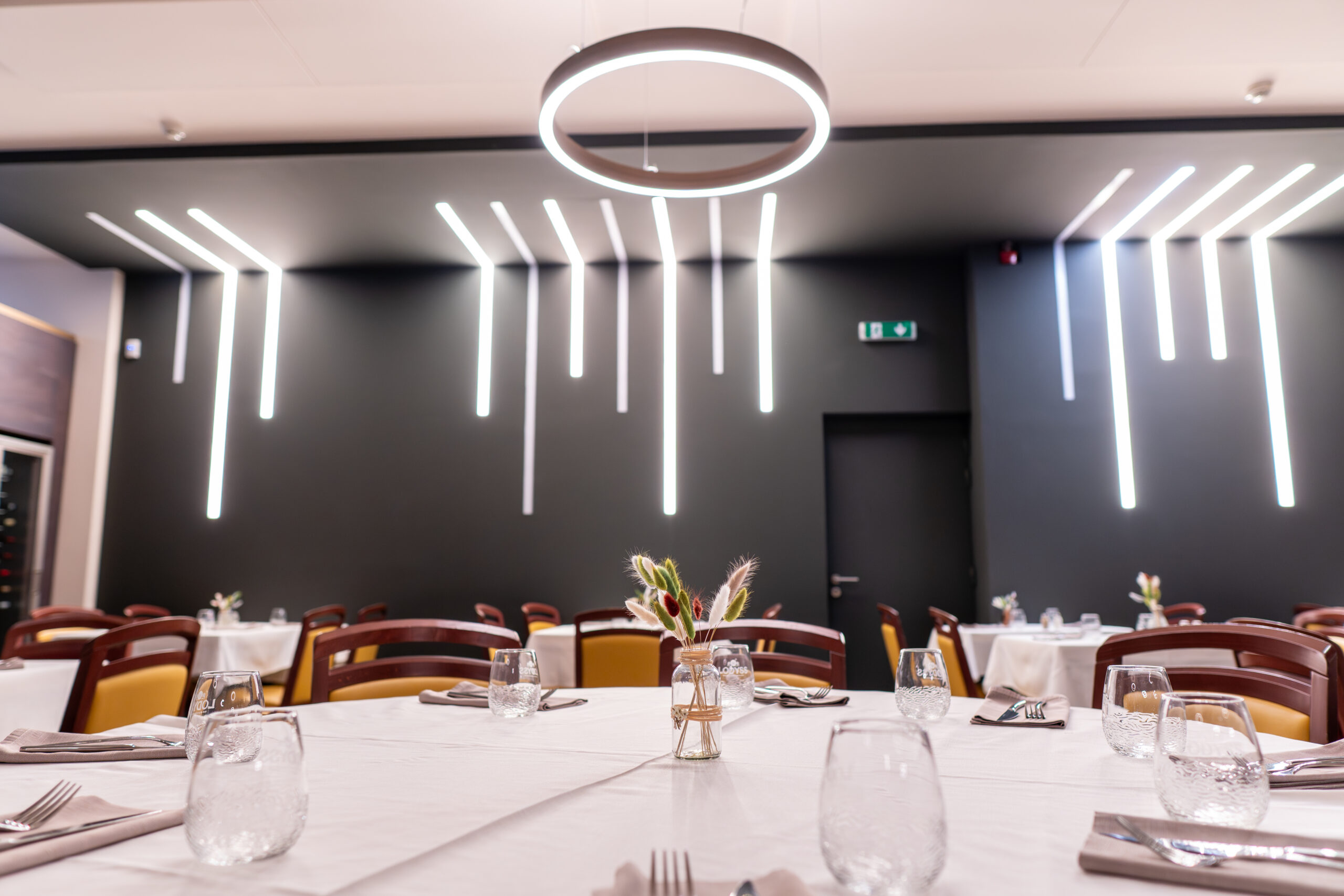
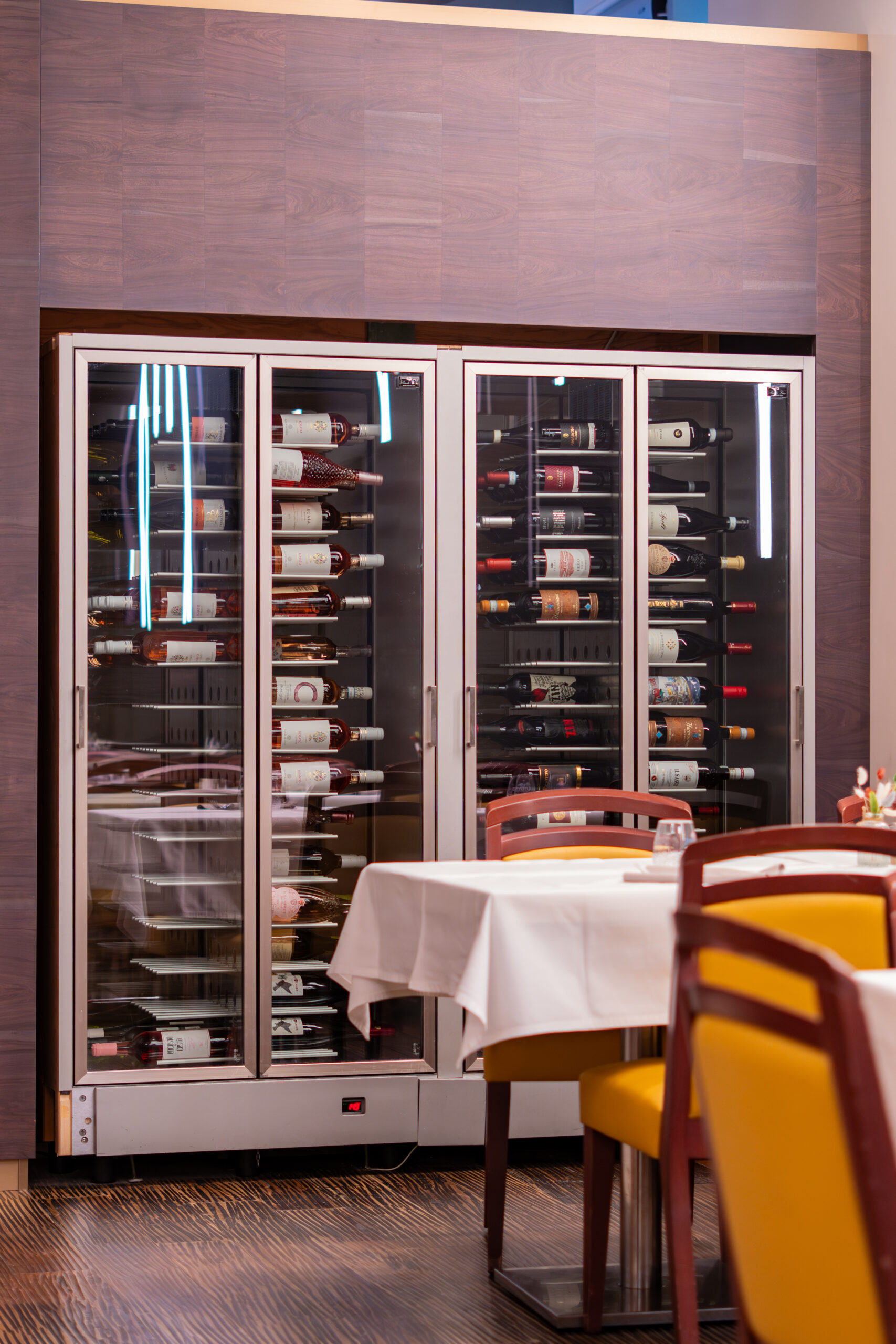
The result is therefore two restaurants in one. In the central space, the design lines of both distinct parts of the restaurant can be perceived: to the right on entering is the area of tradition, happily simulating the typical courtyard of a Puglian masseria, where white tuff and pergolas, Fisionarte lamps woven by the expert hands of Domenico Rinaldi from Altamura, reused terracotta and new pieces by Enza Fasano from Grottaglie take centre stage. The left-hand side is called innovation and tends towards universality, without losing the coherence and strength of the olive tree, reinterpreted in an international key.
This is a highly intriguing part of the venue: intimate and reserved, designed with mastery and experience, successfully combining tradition with the speed of Carminati’s industrial process. All materials used were curated and installed by the Bergamo-based company and, despite their modernity, remain connected to Puglian culture: Essenzialed lighting, Trani stone for the Damura floors from Monopoli, building works by Hasa, and olive wood for the boiseries produced by Carminati Interiors itself.
The result is widely satisfying, both for the protagonists of the intervention and for the public that returns to the venue repeatedly, showing appreciation for the cuisine, the staff and, not least, the recreated atmosphere.
Carminati Interiors
Crediamo fermamente che Internet debba essere disponibile e accessibile a chiunque e ci impegniamo a fornire un sito web accessibile al pubblico più ampio possibile, indipendentemente dalle circostanze e dalle abilità.
Per raggiungere questo obiettivo, ci sforziamo di aderire il più rigorosamente possibile alle Linee guida per l'accessibilità dei contenuti Web 2.1 (WCAG 2.1) del World Wide Web Consortium (W3C) a livello AA. Queste linee guida spiegano come rendere i contenuti web accessibili a persone con una vasta gamma di disabilità. Il rispetto di tali linee guida ci aiuta a garantire che il sito web sia accessibile a tutti: persone non vedenti, con disabilità motorie, ipovedenti, disabilità cognitive e molte altre.
Questo sito utilizza diverse tecnologie pensate per renderlo il più accessibile possibile in ogni momento. Utilizziamo un’interfaccia di accessibilità che consente alle persone con disabilità specifiche di adattare l’interfaccia utente (UI) del sito e personalizzarla secondo le proprie esigenze.
Inoltre, il sito utilizza un'applicazione basata sull'intelligenza artificiale che funziona in background e ottimizza costantemente il livello di accessibilità. Questa applicazione corregge l'HTML del sito, adatta la funzionalità e il comportamento per i lettori di schermo usati da persone non vedenti, e per le funzioni da tastiera utilizzate da persone con disabilità motorie.
Se hai riscontrato un malfunzionamento o hai suggerimenti per migliorare, saremo lieti di ascoltarti. Puoi contattare i gestori del sito utilizzando la seguente email: info@carminati1894.com
Crediamo fermamente che Internet debba essere disponibile e accessibile a chiunque e ci impegniamo a fornire un sito web accessibile al pubblico più ampio possibile, indipendentemente dalle circostanze e dalle abilità.
Per raggiungere questo obiettivo, ci sforziamo di aderire il più rigorosamente possibile alle Linee guida per l'accessibilità dei contenuti Web 2.1 (WCAG 2.1) del World Wide Web Consortium (W3C) a livello AA. Queste linee guida spiegano come rendere i contenuti web accessibili a persone con una vasta gamma di disabilità. Il rispetto di tali linee guida ci aiuta a garantire che il sito web sia accessibile a tutti: persone non vedenti, con disabilità motorie, ipovedenti, disabilità cognitive e molte altre.
Inoltre, il sito è conforme all’European Accessibility Act (EEA), che stabilisce requisiti comuni di accessibilità per i prodotti e i servizi digitali nell’Unione Europea, al fine di garantire pari accesso e inclusione per tutti gli utenti.
Questo sito utilizza diverse tecnologie pensate per renderlo il più accessibile possibile in ogni momento. Utilizziamo un’interfaccia di accessibilità che consente alle persone con disabilità specifiche di adattare l’interfaccia utente (UI) del sito e personalizzarla secondo le proprie esigenze.
Inoltre, il sito utilizza un'applicazione basata sull'intelligenza artificiale che funziona in background e ottimizza costantemente il livello di accessibilità. Questa applicazione corregge l'HTML del sito, adatta la funzionalità e il comportamento per i lettori di schermo usati da persone non vedenti, e per le funzioni da tastiera utilizzate da persone con disabilità motorie.
Se hai riscontrato un malfunzionamento o hai suggerimenti per migliorare, saremo lieti di ascoltarti. Puoi contattare i gestori del sito utilizzando la seguente email: info@carminati1894.com
Il nostro sito implementa la tecnica degli attributi ARIA (Accessible Rich Internet Applications), insieme a diverse modifiche comportamentali, per garantire che gli utenti non vedenti che utilizzano lettori di schermo possano leggere, comprendere e utilizzare le funzioni del sito. Appena un utente con lettore di schermo accede al sito, riceve subito un avviso per entrare nel Profilo per Lettori di Schermo, così da poter navigare e interagire efficacemente con il sito. Ecco come il nostro sito soddisfa alcune delle principali esigenze dei lettori di schermo, con esempi di codice dalla console:
Ottimizzazione per lettori di schermo: eseguiamo un processo in background che analizza ogni componente del sito dall’alto verso il basso per garantire la conformità anche in seguito ad aggiornamenti. Durante questo processo forniamo ai lettori di schermo dati significativi tramite gli attributi ARIA. Ad esempio: etichette accurate nei moduli; descrizioni per le icone interattive (social, ricerca, carrello ecc.); guida alla validazione nei campi modulo; ruoli di elementi come pulsanti, menu, finestre modali (popup), ecc. Inoltre, il processo scansiona tutte le immagini del sito fornendo descrizioni testuali basate sul riconoscimento oggetti come tag ALT per le immagini non descritte. Vengono anche estratti testi presenti nelle immagini tramite tecnologia OCR (riconoscimento ottico dei caratteri). Per attivare gli adattamenti per lettori di schermo in qualsiasi momento, basta premere Alt+1. Gli utenti riceveranno anche un avviso automatico all’ingresso nel sito per attivare la modalità Lettore di Schermo.
Queste funzioni sono compatibili con tutti i lettori di schermo più diffusi, inclusi JAWS e NVDA.
Ottimizzazione per la navigazione da tastiera: il processo in background modifica l’HTML del sito e aggiunge vari comportamenti tramite JavaScript per renderlo navigabile da tastiera. Include la possibilità di navigare con i tasti Tab e Shift+Tab, aprire i menu a tendina con le frecce, chiuderli con Esc, attivare pulsanti e link con Invio, navigare tra elementi radio e checkbox con le frecce e selezionarli con la barra spaziatrice o Invio. Gli utenti da tastiera trovano anche menu di navigazione rapida e salta-contenuto, sempre accessibili con Alt+1 o come primi elementi del sito durante la navigazione. Il processo gestisce anche i popup spostando il focus della tastiera su di essi appena si aprono, impedendo che il focus esca dall’elemento attivo.
Gli utenti possono anche usare scorciatoie come “M” (menu), “H” (titoli), “F” (moduli), “B” (pulsanti) e “G” (immagini) per saltare direttamente agli elementi desiderati.
Miriamo a supportare il maggior numero possibile di browser e tecnologie assistive, affinché gli utenti possano scegliere liberamente gli strumenti più adatti alle proprie esigenze, con il minor numero di limitazioni. Per questo, abbiamo lavorato duramente per garantire la compatibilità con tutti i principali sistemi, che coprono oltre il 95% del mercato: Google Chrome, Mozilla Firefox, Apple Safari, Opera, Microsoft Edge, JAWS e NVDA.
Nonostante il nostro massimo impegno per consentire a chiunque di personalizzare il sito secondo le proprie esigenze, potrebbero esserci ancora pagine o sezioni non completamente accessibili, in fase di adeguamento o prive temporaneamente di soluzioni tecnologiche adeguate. Continuiamo però a migliorare costantemente l’accessibilità, aggiornando le funzionalità e adottando nuove tecnologie per raggiungere il miglior livello possibile. Per qualsiasi richiesta di assistenza, contattaci a info@carminati1894.com